中文版
中文版

 Phone:
  Email:
  WhatsApp:
 Description
- GE IS215AEPAH1CH | Alternative Energy Power Assembly Turbine Control Spare Part
Product Core Brief
- Model: IS215AEPAH1CH
- Brand: GE Vernova
- Series: Mark VIe Wind Turbine Control DCS Series
- Core Function: Real-time application processor for wind turbine pitch, yaw and power regulation logic execution
- Type: AEPA Application Processor Module (Alternative Energy Power Assembly)
- Key Specs: 600MHz industrial CPU | 256MB DDR SDRAM | Multi-port IONet Ethernet, QNX RTOS
- Condition: New Original Surplus, conformal coated PCB, no disassembly or refurbishment

Key Technical Specifications
| Parameter Item | Detailed Value |
|---|---|
| Full Part Number | IS215AEPAH1CH |
| Processor Core | 600 MHz industrial PowerPC grade CPU |
| Real-Time OS | QNX Neutrino hard real-time multitasking system |
| Memory Allocation | 256 MB DDR SDRAM, 128 MB non-volatile flash firmware storage |
| Ethernet Interfaces | 3×100Mbps IONet redundant I/O network ports; 2×100Mbps control network RJ45 |
| Serial Communication | 2 isolated RS232 COM ports for local configuration & debugging |
| Expansion Interface | 1 USB 2.0 port for firmware upload and data backup |
| Rack Form Factor | 6U double-slot VME bus board, standard Mark VIe wind rack mounting |
| System Operating Power | 28 VDC rack supply, typical consumption 12 W |
| Operating Ambient Temp | 0 °C to +60 °C (cabinet indoor installation) |
| Storage Temperature | -40 °C to +85 °C |
| Humidity Tolerance | 5%–95% relative humidity, non-condensing |
| PCB Protection | Full conformal coating against dust, moisture and chemical fumes |
| Redundancy Support | Compatible with simplex, dual and triple modular redundant Mark VIe wind racks |
| MTBF Rating | Exceed 60,000 hours under standard wind farm cabinet environment |
| Compliance Standard | UL, CE, IEC 61131-3 turbine control criteria |
| Front Panel Indicators | Power, Active, Fault, Network Link status LED arrays |
Product Introduction
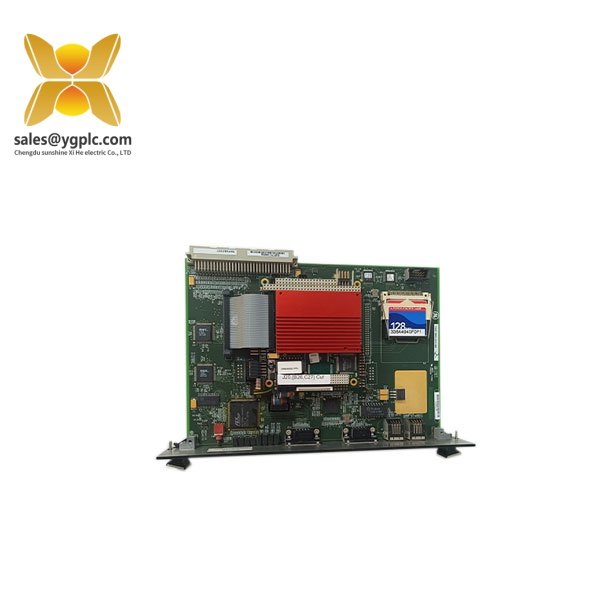
GE IS215AEPAH1CH
Application Scenarios & Pain Points
Typical Application Scenarios
- Onshore Wind Farm Main Turbine Control Cabinets
Execute pitch speed regulation, wind tracking yaw control and over-speed safety shutdown logic; redundant Ethernet links prevent single-point communication failure during strong weather.
- Offshore Wind Turbine Nacelle Control Racks
Conformal coated PCB resists salt fog and high humidity inside offshore nacelles; wide operating temperature range adapts to coastal climate fluctuation.
- Distributed Wind Cogeneration Units
Small-scale industrial wind power plants use simplex Mark VIe racks with IS215AEPAH1CH to coordinate turbine output and on-site load balance.
- Wind Farm Retrofit & Upgrade Projects
Direct drop-in replacement for obsolete IS215AEPAH1C boards during control system modernization, no cabinet rework required.
On-site Application Case
A coastal offshore wind farm reported continuous pitch protection trips on a 3MW turbine unit during spring gale season. Site maintenance technicians diagnosed the fault to a failed IS215AEPAH1C processor board. GE official factory lead time reached 9 weeks, which would leave the turbine offline through peak wind power generation season.
Compatibility & Replacement Matrix
- IS215AEPAH1CH → IS215AEPAH1CH : Direct replacement; identical VME pinout, port definition and rack dimension, same firmware architecture, zero reconfiguration needed
- IS215AEPAH1CH → IS215AEPAH1C : Functional replacement; same mechanical mounting, requires matching firmware version upload and minor network register parameter adjustment
- IS215AEPAH1CH → IS215WEPAH2 Series : Incompatible; WEPA boards are dedicated Ethernet communication modules without CPU processing capability, cannot substitute AEPA main processors
- IS215AEPAH1CH → Mark VI gas/steam turbine CPU boards (IS215UCVFH2AB) : Not interchangeable; different control logic kernel and IONet communication protocol for wind vs thermal equipment
SOP Quality Transparent Inspection Process
1. Warehouse Receiving Verification
- Source Traceability: Cross-check original GE factory packing slip, import customs documents and unique serial number printed on PCB
- Anti-counterfeit Validation: Scan board laser serial code against GE spare part database, confirm intact factory tamper labels
- Visual Appearance Inspection: Check PCB for scratch, corrosion, delamination or solder repair traces; inspect front panel ports, LED indicators and heat sink integrity
- Accessory Matching: Verify original VME rack mounting hardware, USB configuration cable and factory test certificate
2. Live Bench Functional Test
- Test Environment: Complete Mark VIe wind simulation rack equipped with matched IS210BPPBH backplane and wind I/O terminal modules, Fluke 115 multimeter, Ethernet signal analyzer
- Test Content:
- Power-on self-test: Full circuit boot diagnostic, all LED indicator status verification
- CPU & Memory Benchmark: Verify 600MHz clock speed and full 256MB DDR memory address read/write without error
- Multi-port Ethernet communication test: Establish redundant IONet links to simulate distributed pitch I/O boards, confirm stable data transmission
- Serial & USB function test: Complete firmware upload/download and control logic backup/restore cycle
- 24-hour continuous aging run: Monitor board surface temperature, record network packet loss and memory leakage
- Output: Signed formal test report with aging trend logs, communication capture screenshots and physical inspection photos; test videos available upon customer request
3. Electrical Parameter Detection
- 500 V megger insulation resistance test for power and signal circuits, pass threshold >10 MΩ
- Isolation withstand voltage test for RS232 and Ethernet isolated ports
- VME bus backplane continuity test to eliminate pin open/short hidden defects
4. Firmware & Configuration Validation
- Record factory default firmware version number printed on board label
- Backup standard wind turbine control template files, deliver digital copy alongside shipment
- Photograph DIP switch and jumper layout on PCB for on-site reference during replacement
5. Final QC & Protective Packaging
- Specialized QC inspector signs qualified inspection record, attach QC Passed sticker with inspection date
- Main board sealed into anti-static shielding bag to prevent ESD damage
- Wrap with shock-absorbing bubble film, place desiccant inside reinforced export carton to resist moisture during transit
Component Replacement Risk Avoidance Guide
1. Firmware Version Mismatch Between Old and New AEPA Boards
Avoidance Measures: Read and record firmware revision from the faulty processor before purchasing spare parts; request supplier to pre-load matching firmware version if needed.
Real Site Case: A wind farm technician installed a latest firmware CH variant without version verification. The turbine generated constant pitch position offset alarms, consuming 11 hours of troubleshooting before firmware downgrade resolved the fault.
2. ESD Damage During Unpacking & Rack Hot-Swap
Avoidance Measures: Wear certified anti-static wrist strap connected to rack grounding bar before opening the anti-static bag; place the module on an anti-static mat during program uploading.
Critical Reminder: Static breakdown is the top non-warranty failure cause for Mark VIe processor boards; never touch PCB circuit traces with bare hands.
3. Misaligned VME Backplane Connector During Insertion
Avoidance Measures: Align both top and bottom rack slide rails evenly before pushing the board; lock front panel retention screws fully after insertion, shake lightly to confirm zero play.
4. Lost Original Control Logic Backup Before Disassembly
Avoidance Measures: Connect USB cable to front panel port and save all application program files to external storage before powering down the old processor.
5. Ignoring Redundant IONet Cable Port Mapping
Avoidance Measures: Take clear photos of all front-panel Ethernet, COM and USB wiring layout before disconnecting cables; replicate the exact port mapping on the new IS215AEPAH1CH module.