中文版
中文版

 Phone:
  Email:
  WhatsApp:
 Description
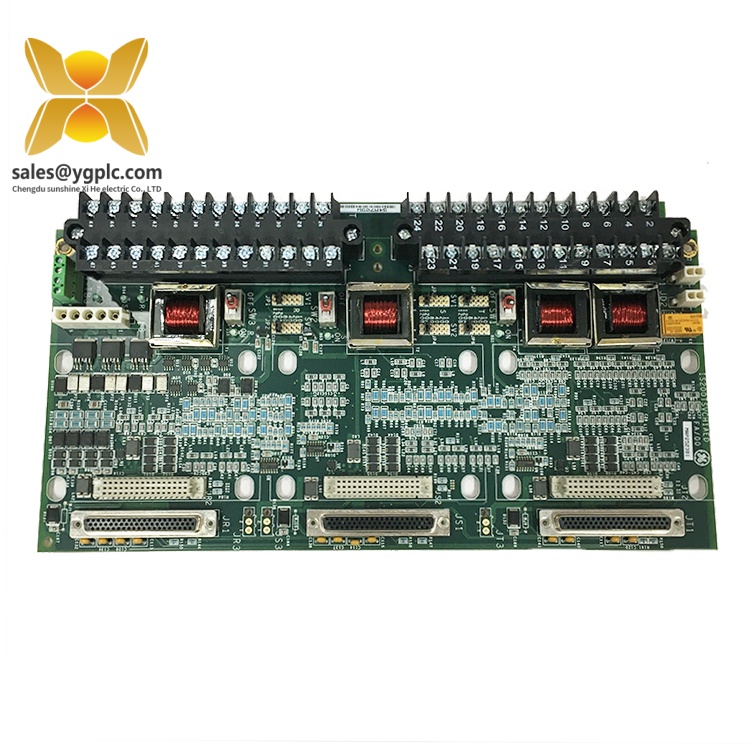
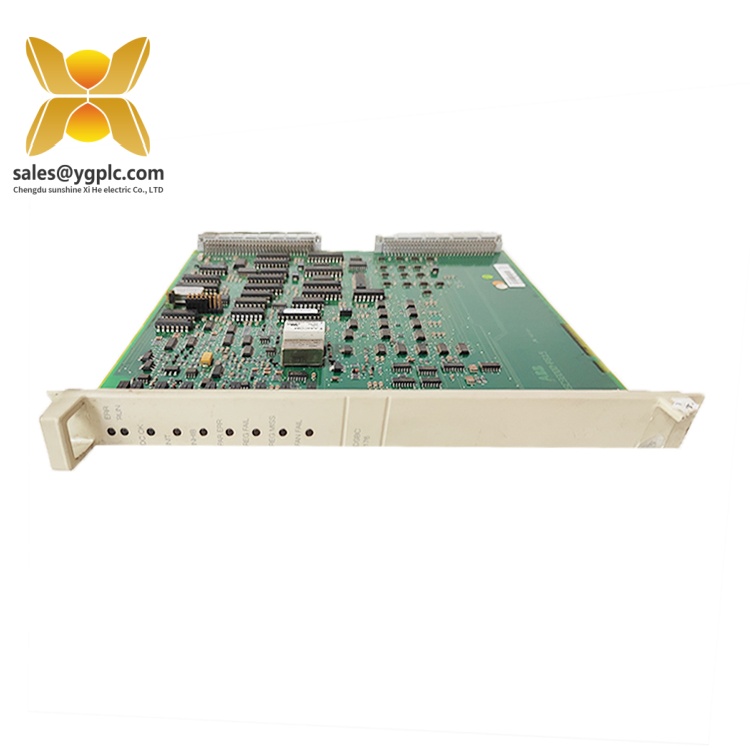
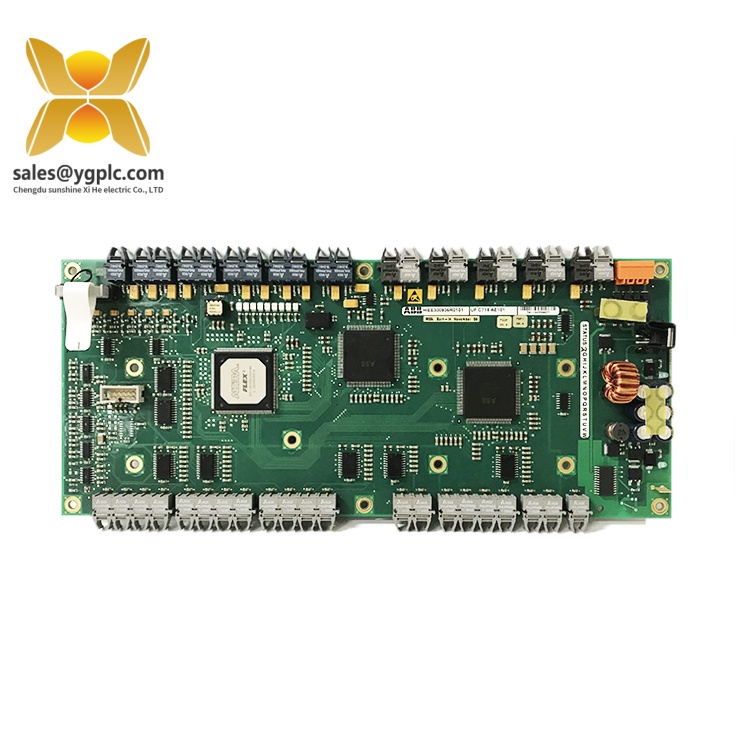
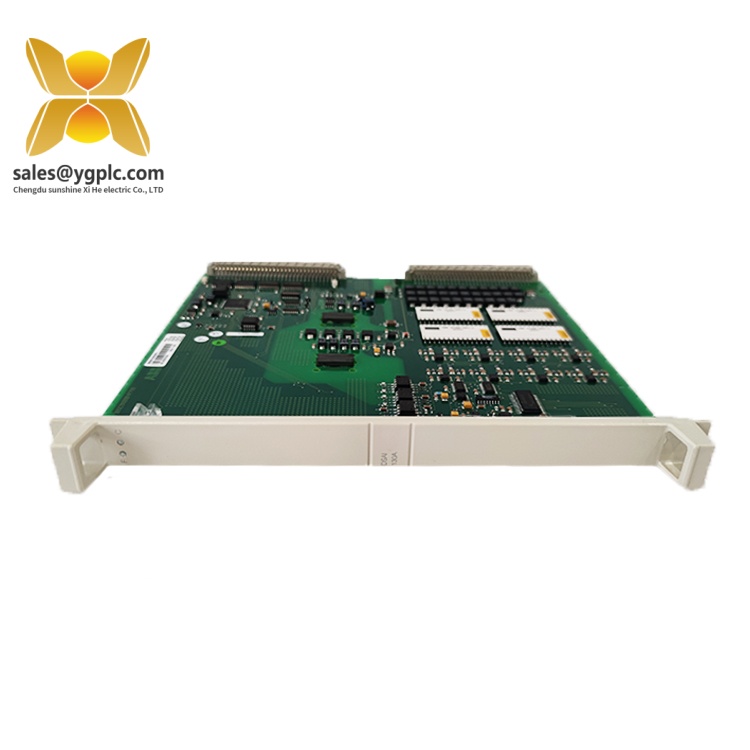
ABB 3BSC980051R53 – Process Control Board for DCS System
Product Overview
3BSC980051R53 is a dedicated control circuit board developed for ABB distributed control systems. It undertakes core logic processing and signal forwarding tasks within industrial process units, connecting upper controllers and on-site field devices. This component is widely applied in power plants, chemical plants and manufacturing workshops. It maintains steady running status under complex working conditions, effectively lowering system failure risks and supporting reliable long-term operation of automated production lines.
Technical Specifications
| Parameter | Value |
|---|---|
| Product Model | 3BSC980051R53 |
| Manufacturer | ABB |
| Product Type | DCS Control Board |
| Power | 110/220 V AC |
| Communication / Protocol | Industrial Fieldbus |
| Operating Temperature | -10°C to +65°C |
| Mounting | Cabinet Card Slot Mount |
| Dimensions (HxWxD) | 210 × 160 × 22 mm |
| Weight | 0.52 kg |
| Typical Interfaces | Multi-channel signal terminals |
| Compliance | CE, IEC 61508 |
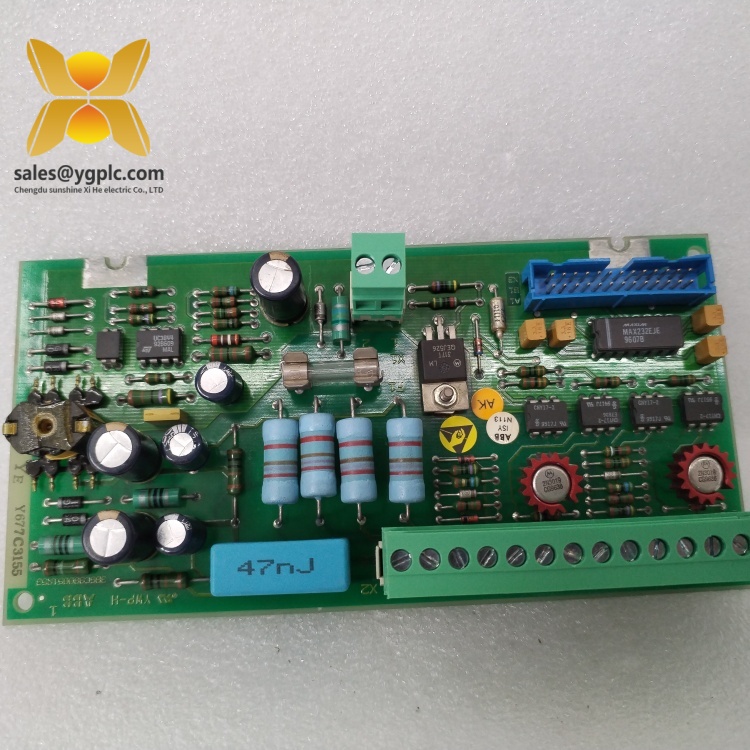
ABB 3BSC980051R53
Key Features and Benefits
- Optimized circuit layout enhances anti-interference ability against electromagnetic noise in industrial sites.
- Standard card slot design enables easy installation and disassembly inside control cabinets.
- Stable logic operation ensures accurate execution of control commands for continuous production processes.
- Durable electronic components extend service life and cut the frequency of part replacement.
- Good compatibility works well with mainstream DCS hardware of the same series.
Related Models
ABB 3BSC980051R51: Basic version for standard process control and general industrial applications.
ABB 3BSC980051R52: Enhanced model with extra signal channels for expanded system demands.
ABB 3BSC980051R54: High temperature resistant version for harsh thermal working areas.
ABB 3BSC980051R55: Low power variant for energy-saving industrial control projects.
Installation and Maintenance
Power off the whole system before inserting the board into the designated slot and lock it securely. Arrange internal wiring neatly to prevent line friction and short circuit. Clear dust on the board surface and terminals regularly to avoid poor contact. Check operating status during routine system inspection. Do not disassemble the board privately; use original spare parts for replacement to keep the whole system stable.