中文版
中文版
 Phone:
  Email:
  WhatsApp:
 Description
- Model: FX112 4-2
- Brand: Yokogawa
- Series: Yokogawa legacy DCS / control-system hardware
- Core Function: Interfaces field signals with the Yokogawa control system
- Type: DCS field interface module
- Key Specs: FX112 hardware family; legacy process-control application; exact I/O configuration requires verification
- Status: Legacy hardware; availability depends on existing stock
Product Introduction
Yokogawa FX112 4-2 is a legacy Yokogawa industrial control-system module associated with older DCS installations and field-interface applications. Its role is to connect process-side signals with the control-system architecture, making correct hardware identification important when maintaining an aging plant.
For this part, the suffix matters. Public technical information for FX112 4-2 is limited, and similar Yokogawa legacy modules can differ in signal type, termination arrangement, and system compatibility. I would therefore verify the original nameplate, system platform, wiring diagram, and hardware revision before treating this as a direct replacement.
Key Technical Specifications
| Parameter | Specification |
|---|---|
| Model | FX112 4-2 |
| Manufacturer | Yokogawa |
| Product Type | DCS / Field Interface Module |
| Application | Industrial process control |
| System Compatibility | Yokogawa legacy control systems |
| Signal Function | Configuration dependent |
| I/O Type | Must be verified from original documentation |
| Electrical Rating | Must be verified |
| Communication Interface | System dependent |
| Mounting | Yokogawa control-system cabinet |
| Hardware Revision | Configuration dependent |
| Operating Temperature | Model/documentation dependent |
Engineering note: Exact channel count, signal range, power requirement, dimensions, and terminal assignment should be taken from the applicable Yokogawa manual or the original equipment nameplate. These values should not be guessed from the FX112 designation.
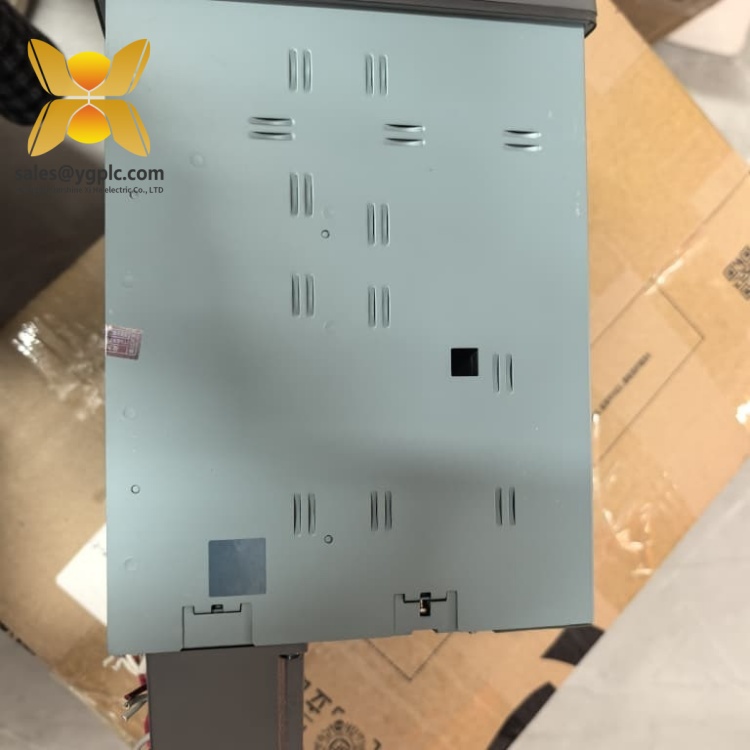
Yokogawa FX112 4-2
Application and Selection Notes
The FX112 4-2 is primarily relevant to legacy Yokogawa DCS maintenance. It may be encountered in older process plants where replacing the entire control architecture would be considerably more disruptive than maintaining the installed hardware.
This is a part where visual matching is risky. Before purchase, compare the complete part number and suffix, cabinet location, connector arrangement, I/O drawing, and system generation. If the plant still has the original engineering documentation, use that as the primary compatibility reference.
For procurement teams, ask the supplier to confirm the exact hardware revision and provide clear photographs of the nameplate and connectors before shipment.
Quality Inspection and Shipping
A sensible inspection sequence is:
- Incoming inspection: Verify part number, serial number, labels, connector condition, enclosure condition, corrosion, and previous-repair evidence.
- Live Test: Where a compatible Yokogawa test system is available, check startup diagnostics, status indicators, communication, and applicable I/O functions.
- Electrical Test: Check power connections, grounding continuity, insulation condition, and connector integrity as applicable.
- Configuration Verification: Record hardware revision, firmware information, jumpers, switches, and terminal configuration.
- Final QC: Photograph the tested unit, complete the Test Report, apply the QC label, and use ESD-safe packaging.
For international delivery, the commercial invoice should accurately identify the equipment as an industrial automation control-system component. Country of origin, declared value, and customs classification should match the actual shipment documentation.
Common Replacement Pitfalls
Part-number confusion: Similar-looking Yokogawa modules are not automatically interchangeable. Verify every suffix.
I/O mismatch: Confirm the actual signal type and range before connecting field wiring.
Terminal differences: Compare the wiring diagram pin by pin. Do not rely on connector appearance.
System-generation mismatch: Legacy Yokogawa hardware may depend on a specific DCS generation or interface architecture.
ESD exposure: Use a grounded wrist strap and ESD workstation when handling the module.
Personally, I would take three photographs before removing the original unit: the nameplate, connector side, and installed position. That small record can prevent a surprisingly expensive wiring mistake.
Quick Conclusion
- Legacy Yokogawa DCS field-interface hardware
- Intended for existing industrial process-control systems
- Exact signal and electrical specifications require documentation verification
- Part-number suffix and hardware revision are important
- Suitable for MRO and legacy-system replacement
- Confirm system compatibility before purchase
- Availability and condition should be confirmed for this legacy part