中文版
中文版

 Phone:
  Email:
  WhatsApp:
 Description
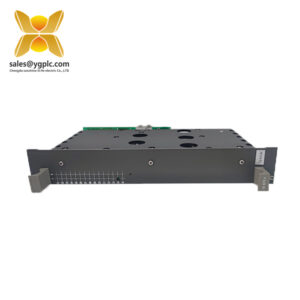
DELTA TAU POWER PMAC UMAC 465CPU – High-Performance Multi-Axis Motion Controller Board
Product Overview
The DELTA TAU POWER PMAC UMAC 465CPU is a modular 3U-format Eurocard motion controller board combining advanced processing power with real-time control capabilities for industrial automation applications. It addresses the challenge of coordinating synchronized motion across multiple axes (up to 256) in complex systems like robotics, machine tools, and automated production lines. This controller integrates a 1.2GHz dual-core processor with a real-time Linux kernel, delivering deterministic servo loop closure and precise motion interpolation. It serves as both a dedicated motion controller and embedded computer, supporting custom algorithms and seamless integration with industrial networks for centralized monitoring and control.
Technical Specifications — POWER PMAC UMAC 465CPU
| Parameter | Value |
|---|---|
| Product Model | POWER PMAC UMAC 465CPU |
| Manufacturer | DELTA TAU (Omron Automation) |
| Product Type | Multi-Axis Motion Controller Board |
| Power | 5V DC from UBUS backplane, 12V DC auxiliary |
| Communication / Protocol | 2x 1Gbps Ethernet (1000-Base-T), USB 2.0, RS-232, UBUS backplane, MACRO fiber optic, EtherCAT |
| Operating Temperature | 0°C to +60°C (32°F to 140°F) |
| Mounting | 3U Eurocard rack system (100mm x 160mm), UMAC modular chassis |
| Dimensions (HxWxD) | 100 x 160 x 25 mm (3.94″ x 6.30″ x 0.98″) |
| Weight | 0.45 kg (0.99 lbs) |
| Typical Interfaces | UBUS backplane connector, Ethernet ports, USB host port, serial port, expansion slots |
| Compliance | CE, FCC, RoHS, IEC 61010 industrial safety standards |
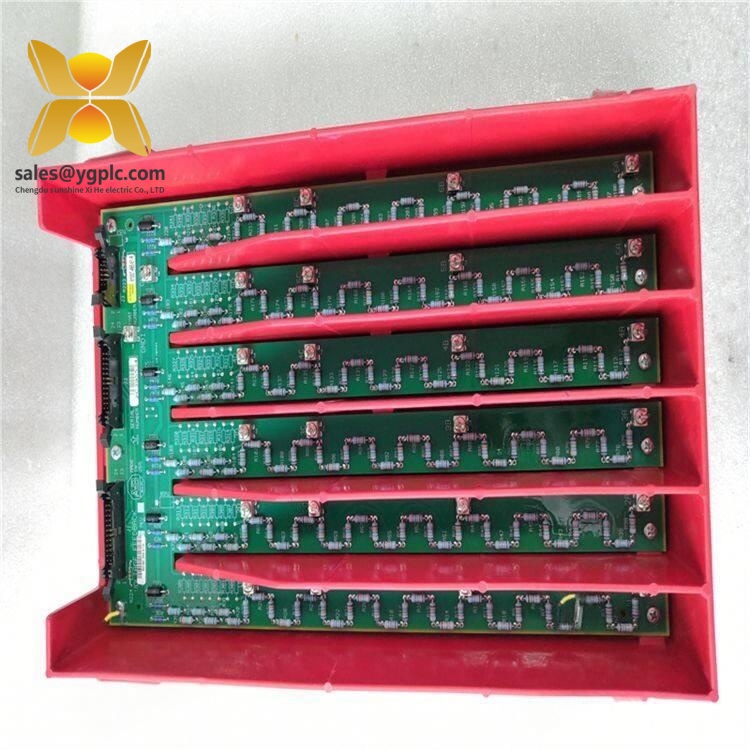
DELTA TAU POWER PMAC UMAC 465CPU
Key Features and Benefits — POWER PMAC UMAC 465CPU
- High-Speed Processing: 1.2GHz dual-core processor with 64-bit floating-point math delivers calculation speeds five times faster than legacy PMAC controllers.
- Multi-Axis Coordination: Controls up to 256 axes via direct local control, MACRO fiber optic ring, or EtherCAT network with advanced interpolation capabilities.
- Real-Time Determinism: Linux OS with hard-real-time kernel guarantees precise servo loop closure (up to 60kHz for single axis) and task scheduling.
- Modular Expandability: UBUS backplane supports multiple accessory cards for I/O, motion, and communication expansion without system redesign.
- Flexible Programming: Supports custom motion algorithms in C/C++, PLC functionality, and standard G-code for diverse industrial applications.
- Comprehensive Memory: 1-2GB DDRAM with ECC, 64MB NOR flash, and up to 8GB NAND flash for reliable data storage and program execution.
Related Models
Power PMAC Clipper: Compact 4-axis motion controller for space-constrained applications with integrated drive capabilities.
POWER UMAC 460CPU: Single-core variant of the 465CPU for cost-sensitive projects with reduced processing requirements.
PEL3-ME0-311-2A00000: Power PMAC EtherLite CPU with dedicated 2-port EtherCAT master interface for distributed I/O systems.
ACC-84S: Feedback interface card for connecting various encoder types to PMAC/UMAC controllers.
Installation and Maintenance
- Mount the 3U Eurocard in a compatible UMAC chassis, ensuring proper alignment with the UBUS backplane connector.
- Connect power through the chassis backplane and verify voltage levels before system startup.
- Configure network parameters via Ethernet or USB interface using the Power PMAC software suite for system integration.
- Utilize the real-time diagnostic tools to monitor servo performance, axis positions, and communication status during operation.
- Perform regular firmware updates to maintain compatibility with latest accessory cards and software features.
- Ensure proper ventilation in the control cabinet to maintain operating temperature within specified range for long-term reliability.