中文版
中文版

 Phone:
  Email:
  WhatsApp:
 Description
JRCS ECC-TM100A-22 – Marine Control Module
Product Overview
This industrial control module is engineered for marine automation and vessel monitoring systems. As a core component for onboard control networks, it stabilizes signal transmission and realizes real-time data collection across shipboard equipment. It effectively resolves unstable signal output and data lag issues in harsh marine operating environments. Built with rugged hardware, it adapts to fluctuating voltage and vibration conditions common on working vessels, ensuring continuous operation of marine control systems throughout long voyages.
Technical Specifications
| Parameter | Value |
|---|---|
| Product Model | ECC-TM100A-22 |
| Manufacturer | JRCS |
| Product Type | Marine Control Module |
| Power | 24 V DC |
| Communication / Protocol | Standard marine fieldbus |
| Operating Temperature | -10°C to +60°C |
| Mounting | DIN Rail Mount |
| Dimensions (HxWxD) | 120 mm × 85 mm × 40 mm |
| Weight | 0.35 kg |
| Typical Interfaces | Digital input, signal output port |
| Compliance | Marine industry safety standards |
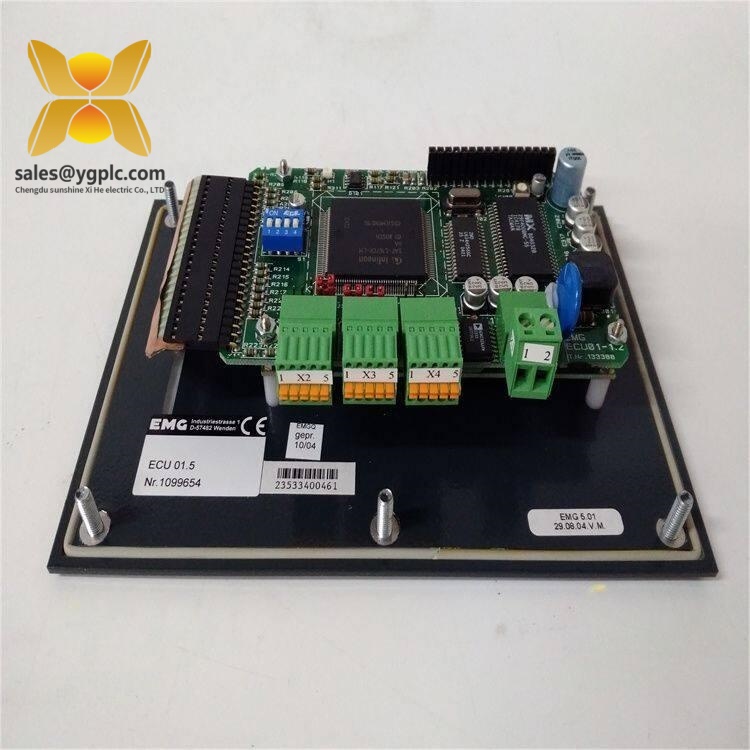
JRCS ECC-TM100A-22
Key Features and Benefits
- Compact DIN rail structure saves installation space inside control cabinets on ships.
- Strong anti-interference performance resists electromagnetic disturbance in marine environments.
- Reliable signal conversion maintains steady data flow for monitoring and control units.
- Simple circuit design lowers potential failure points and extends service life.
- Wide temperature tolerance fits various indoor and semi-outdoor vessel installation areas.
Related Models
ECC-TM100A: Basic version for general marine signal control applications.
ECC-TM200A: Enhanced model with expanded interface ports for complex system layout.
ECC-TR100: Signal transfer module paired with main control units for extended signal range.
SMS-22-K: Matching alarm monitoring module to build integrated marine management systems.
Installation and Maintenance
Install the unit on standard DIN rails inside sealed control cabinets to avoid direct exposure to moisture and sea spray. Complete wiring according to marked port definitions to prevent reverse power connection. Conduct regular surface dust removal every three months to keep heat dissipation unobstructed. Check cable connections periodically to ensure tight contact. Replace worn wiring promptly and avoid overloading the module during daily operation. Professional inspection once a year helps maintain long-term working stability.