中文版
中文版

 Phone:
  Email:
  WhatsApp:
 Description
- Model: UVZ780
- Brand: Honeywell / Satronic
- Series: Satronic Flame Detection
- Core Function: Detects ultraviolet radiation from burner flames
- Type: UV flame detector / UV cell
- Key Specs: UV sensing tube; 4-pin connection; blue, white, and red sensitivity variants
- Typical Systems: MMG, TMG, and SGU burner controls
- Application Mode: Intermittent burner operation
Product Introduction
The HONEYWELL UVZ780 is a Satronic ultraviolet flame detector used to supervise flame presence in industrial burner-control systems. Its sensing tube responds to ultraviolet radiation generated by the flame and provides the flame signal required by compatible Honeywell/Satronic control boxes. Honeywell documentation lists UVZ780 variants for use with burner systems including the MMG, TMG, and SGU families.
This is a combustion-safety component, so sensor selection is not simply a matter of matching the housing. The UVZ780 is available in different sensitivity versions, including red, blue, and white, with separate Honeywell item numbers. The red version, for example, is documented for flame-signal monitoring where the signal should exceed 5 µA under the specified checking method.
Key Technical Specifications
| Parameter | Specification |
|---|---|
| Model | UVZ780 |
| Manufacturer | Honeywell / Satronic |
| Product Type | Ultraviolet Flame Detector |
| Detection Principle | UV flame radiation sensing |
| Sensor Element | UV sensing tube |
| Electrical Connection | 4-pin socket |
| Housing | Tubular metal casing |
| Viewing Direction | Side-on or end-on positioning |
| Sensitivity Variants | Red, Blue, White |
| Typical Control Systems | MMG, TMG, SGU |
| Operating Mode | Intermittent burner operation |
| Mounting | UVZ holder / compatible burner sighting arrangement |
| Typical Cable | 3-wire Satronic flame-detector cable |
| Signal Verification | UV flame-signal current measurement |
| Typical Application | Gas and dual-fuel burner flame supervision |
Honeywell/Satronic documentation identifies UVZ780 as a flame detector and lists red, blue, and white versions separately. The detector uses a 4-pin socket and can be mounted for side-on or end-on flame viewing.
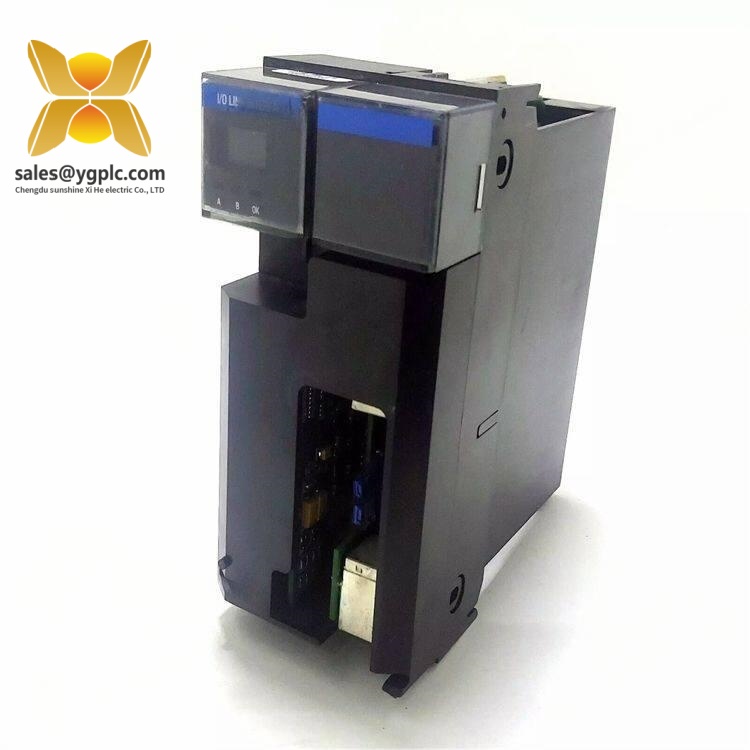
HONEYWELL UVZ780
Key Features and Practical Value
- Detects the ultraviolet radiation characteristic of burner flames.
- Designed for dedicated flame-supervision applications.
- Available in multiple sensitivity variants.
- 4-pin detector connection simplifies integration with compatible Satronic controls.
- Adjustable mounting arrangement supports proper flame sighting.
- Suitable for gas and dual-fuel burner systems.
- Compatible with established Honeywell/Satronic flame-control architectures.
- Useful as a direct maintenance spare where the original detector type must be retained.
The sensor’s installation position matters. A good detector can still produce an unstable flame signal when the sighting angle, optical path, or burner geometry is wrong.
Typical Applications
Typical installations include:
- Industrial gas burners
- Dual-fuel burner systems
- Boilers
- Furnaces
- Process heaters
- Dryers
- Thermal-processing equipment
- Burner management panels
Honeywell/Satronic technical documentation specifically associates UVZ780 with burner control boxes such as TMG 740-3 and SGU 930/930i.
For maintenance teams, the practical question is not merely “does the detector see UV?” It is whether the detector produces the correct flame signal for the installed control box and burner arrangement.
Related Models
UVZ780 Red — The red sensitivity version, identified by Honeywell item number 18813. It is documented with compatible Satronic flame-control equipment.
UVZ780 Blue — Blue sensitivity version, identified as item 18812 in Honeywell/Satronic ordering information.
UVZ780 White — White sensitivity version, identified as item 18814 in the same product family.
IRD 1020 — Infrared flicker flame detector used as an alternative detection principle on compatible burner-control systems.
Installation and Maintenance
Before replacing the detector, record the exact UVZ780 sensitivity variant, burner-control model, cable connection, holder arrangement, and flame-viewing position.
Photograph the existing installation. Seriously — the mounting angle is easy to overlook.
The optical path should be clean and correctly aligned with the flame. After installation, verify the flame signal according to the applicable Honeywell/Satronic procedure. For the documented UVZ780 red setup, the flame signal should exceed 5 µA during the specified signal-check method.
Also check the detector cable and terminals. A weak flame signal can come from wiring resistance, contamination, poor alignment, or the wrong sensitivity version rather than a failed UV tube.
Quality Inspection and Test Procedure
1. Inbound inspection
- Verify model and sensitivity version.
- Check serial or item number where available.
- Inspect the metal housing, lens area, connector, and mounting hardware.
- Look for corrosion, impact marks, contamination, or previous repair evidence.
2. Live Test
Use a compatible Honeywell/Satronic burner-control test setup.
- Verify detector connection.
- Confirm flame-signal response.
- Check flame-present and flame-failure behavior.
- Measure the UV signal with the approved test method.
- Run an extended operational check where practical.
- Generate a Test Report.
3. Electrical Testing
Check connector continuity and applicable signal-current characteristics. Do not apply generic insulation or hipot procedures directly to the sensing tube unless specifically permitted by the manufacturer.
4. Configuration Verification
Record the sensitivity color/version and burner-control compatibility. Preserve mounting-position photographs and cable identification.
5. Final QC
After QC approval, protect the detector against impact and contamination. Use suitable cushioning and rigid packaging, with a dated inspection label attached to the shipment.
Test photographs or videos can be provided for customer review.
Technical Replacement Pitfalls
Wrong sensitivity version: Red, blue, and white are not simply cosmetic differences. Honeywell lists them as separate ordering variants. Match the installed unit exactly.
Poor flame alignment: The detector must have a clear and stable optical view of the flame. A few degrees can matter in burner applications.
Dirty optical path: Soot, dust, or deposits can weaken the UV signal. Clean the sighting arrangement according to the burner manufacturer’s procedure.
Wrong control box: Confirm the MMG, TMG, or SGU control family before replacement. Compatibility should be checked from the actual burner-management documentation.
Weak signal mistaken for sensor failure: Measure the flame signal before condemning the detector. Cable condition, grounding, alignment, and contamination should be checked first.
ESD and mechanical handling: Protect the sensor assembly and connector during handling. Do not force the detector into the holder or cable socket.
Procurement Guidance
For international MRO procurement, specify Honeywell Satronic UVZ780 together with the exact sensitivity version and item number where applicable: 18813 for red, 18812 for blue, or 18814 for white.
The quotation should also state condition, test status, warranty, country of origin, lead time, and Incoterms. For customs documentation, a precise description such as “industrial ultraviolet flame detector for burner control system” is preferable to “electronic sensor.”
For China-bound shipments, keep the commercial invoice, packing list, product label, and declared part number consistent.
Quick Conclusion
- UVZ780 is a Honeywell/Satronic ultraviolet flame detector for burner supervision.
- It is available in red, blue, and white sensitivity variants, with separate ordering numbers.
- The detector uses a 4-pin connection and is compatible with specified MMG, TMG, and SGU burner-control systems.
- Flame-signal strength and optical alignment should be checked during commissioning.
- For replacement purchasing, match the exact sensitivity variant and control-box compatibility, not just “UVZ780.”