中文版
中文版
 Phone:
  Email:
  WhatsApp:
 Description
ABB UAA326A04 – Excitation System Power Supply Module
Product Overview
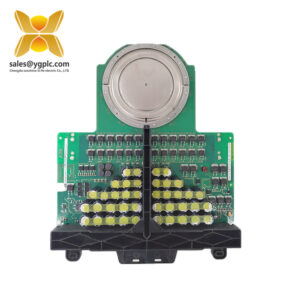
The UAA326A04 is a dedicated auxiliary power supply module designed for ABB UNITROL series excitation control systems. It delivers regulated DC power to control circuitry within static and brushless excitation systems, ensuring consistent operation of voltage regulators, I/O boards, and signal processing components in power generation facilities. The module is part of the HIEE spare part portfolio, supporting both new installations and legacy unit maintenance across utility and industrial power plants.
Operating from standard control voltage inputs, the unit provides a stabilized 24V DC output with sufficient current capacity to drive multiple downstream control loads. Its compact form factor allows plug-in replacement within excitation system cabinets, minimizing downtime during service. Built for continuous duty in electrical room environments, the module handles wide ambient temperature swings and electrical noise typical of generator and substation installations, supporting reliable excitation system performance around the clock.
Technical Specifications — UAA326A04
| Parameter | Value |
|---|---|
| Product Model | HIEE300024R4 |
| Manufacturer | ABB |
| Product Type | Auxiliary Power Supply Module |
| Power Rating | 52.8W nominal (24V DC / 2.2A output) |
| Communication / Protocol | No fieldbus; status signaling only |
| Operating Temperature | -20°C to +60°C |
| Mounting | Plug-in card / rack mount within excitation cabinet |
| Dimensions (HxWxD) | 76 x 102 x 32 mm |
| Weight | ~0.4 kg |
| Typical Interfaces | DC input terminals, regulated output connector, status indicators |
| Compliance | Industrial control standards, UNITROL system compatible |
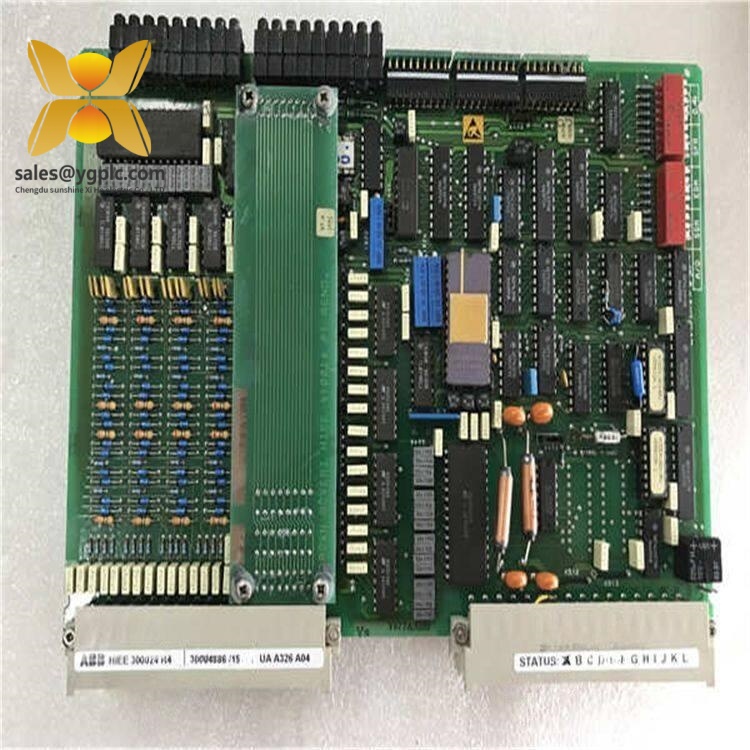
ABB UAA326A04
Key Features and Benefits
- Regulated 24V Output: Delivers stable 24V DC power for excitation control electronics, protecting sensitive circuits from input voltage fluctuations.
- UNITROL System Compatibility: Drop-in compatible with ABB UNITROL excitation platforms, serving as a direct replacement for field service and retrofit projects.
- Compact Plug-In Design: Small form factor enables easy installation and replacement inside excitation control cabinets without specialized tools.
- Wide Operating Temperature Range: Rated for -20°C to +60°C ambient conditions, suitable for power plant electrical rooms and industrial environments.
- High Reliability Construction: Industrial-grade components selected for continuous duty, supporting long service intervals and dependable 24/7 operation.
- Simplified Maintenance: Modular architecture allows targeted replacement of the power stage without swapping entire control assemblies, reducing service cost.
Related Models
UAA326A02: Earlier revision of the same power supply family, compatible with older UNITROL system generations.
HIEE300900 Processing Unit: Main CPU controller card in UNITROL P systems, powered and supported by the auxiliary supply module.
GD B021 Gate Control Unit: Firing and gate drive board for thyristor power stages that operates from the same control power bus.
UNITROL 6000 Regulator: Complete excitation control system that incorporates multiple auxiliary power modules for redundant and distributed power delivery.
Installation and Maintenance
Installation should be performed by qualified power plant instrumentation or electrical personnel. Before servicing, isolate all excitation system power sources and verify that capacitor banks within the unit are fully discharged. Slide the module into its designated card slot or mounting position within the excitation cabinet, ensuring the board connector seats firmly and alignment pins engage correctly. Tighten any retaining screws or clips to secure the unit against vibration from nearby equipment.
Wiring follows the excitation system cabinet schematic. Connect the input supply to the designated terminals, observing correct polarity for DC inputs. Verify output voltage with a calibrated meter before connecting downstream loads to prevent damage to sensitive control boards. Status LEDs, where present, confirm input presence and healthy output regulation.
Routine maintenance consists of periodic visual inspection during scheduled plant outages. Check for signs of thermal stress on components, verify output voltage against nominal values, and clean accumulated dust from heat-dissipating surfaces to preserve cooling efficiency. Keep one spare module on site for critical generating units to enable rapid replacement if a fault occurs. Always follow plant lockout/tagout procedures and electrostatic discharge handling guidelines when working with excitation system electronics.